Trade Show Planning and Management

69% of end users still rely on an in-person demo at a trade show to influence their decision. 

Source: Machinery End User Buying Process and Perspectives Report, PMMI Media Group Fall 2019
TRI_PELV_25_14-1

Trade Shows—Without the Distraction

Trade shows like PACK EXPO, IBIE, MODEX, and IPPE are important to your business.
Managing them shouldn’t compete with running it.

Trade show planning starts 6–10 months in advance and brings contracts, deadlines, vendors, logistics, and costs—many with real financial consequences if mishandled.

And you’re rarely managing just one show.

While one event is months out, another is weeks away, and another is closing out. Multiple overlapping show calendars quickly drain time, focus, and accountability—especially when trade shows are not a full‑time role inside your organization.

SD_PELV_25_5 (1)

One Owner. One System. No Loose Ends.

Instead of spreading responsibility across your team, trade show planning is owned end to end.

You get:

  • A single point of accountability
  • A structured system for deadlines and vendors
  • Predictable execution across every show

Everything is managed behind the scenes so you stay focused on customers and the business—not logistics and paperwork.

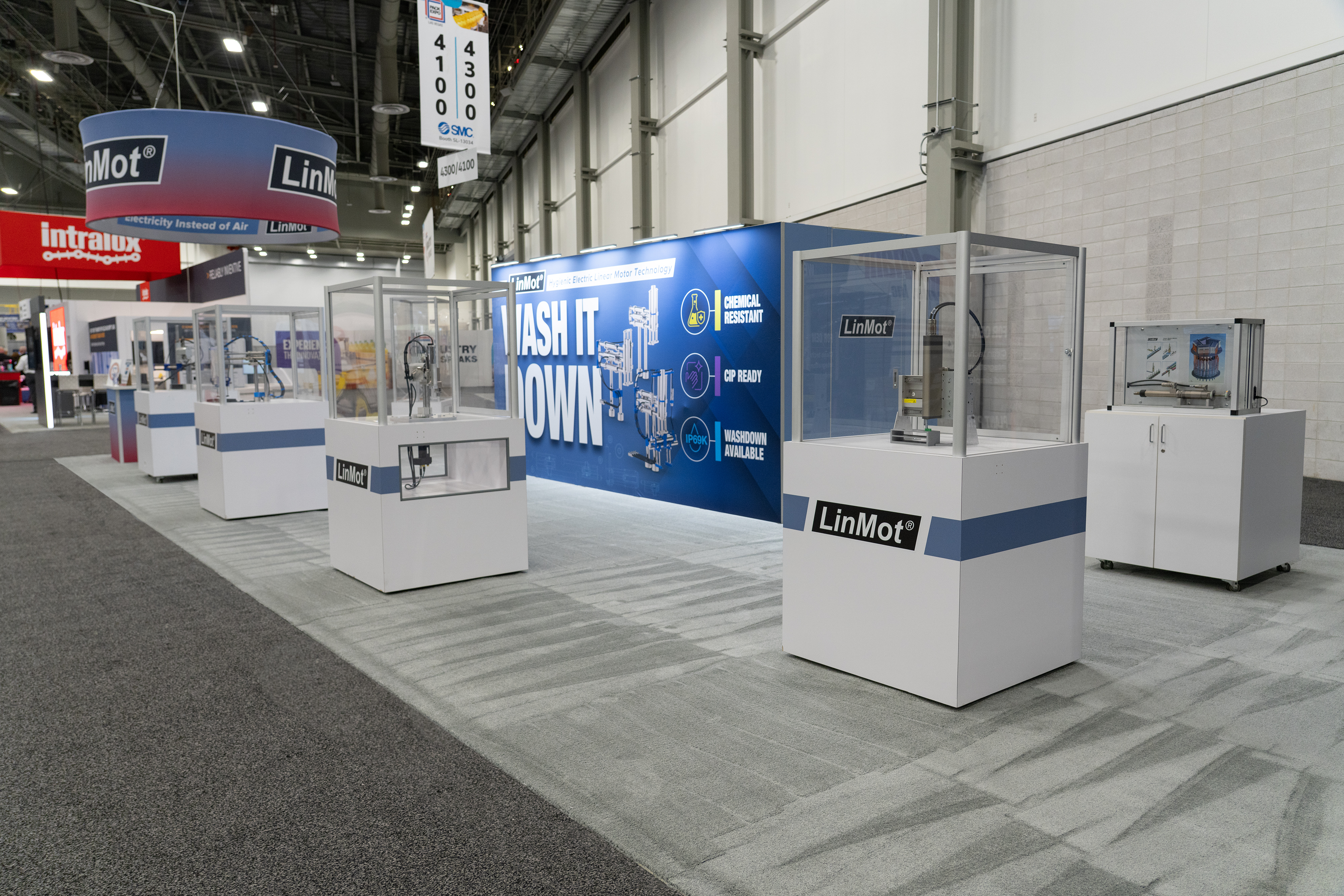
LinMot_PELV_25_5

Experience You Don’t Have to Explain

You don’t need to explain how trade shows really work.

Trade show management is handled by people who have managed exhibits inside packaging OEMs and exhibited at PACK EXPO and other major industry events. That means the realities you deal with—early planning, cost pressure, overlapping timelines, internal expectations—are already understood.

You don’t train or oversee. You rely on experience.

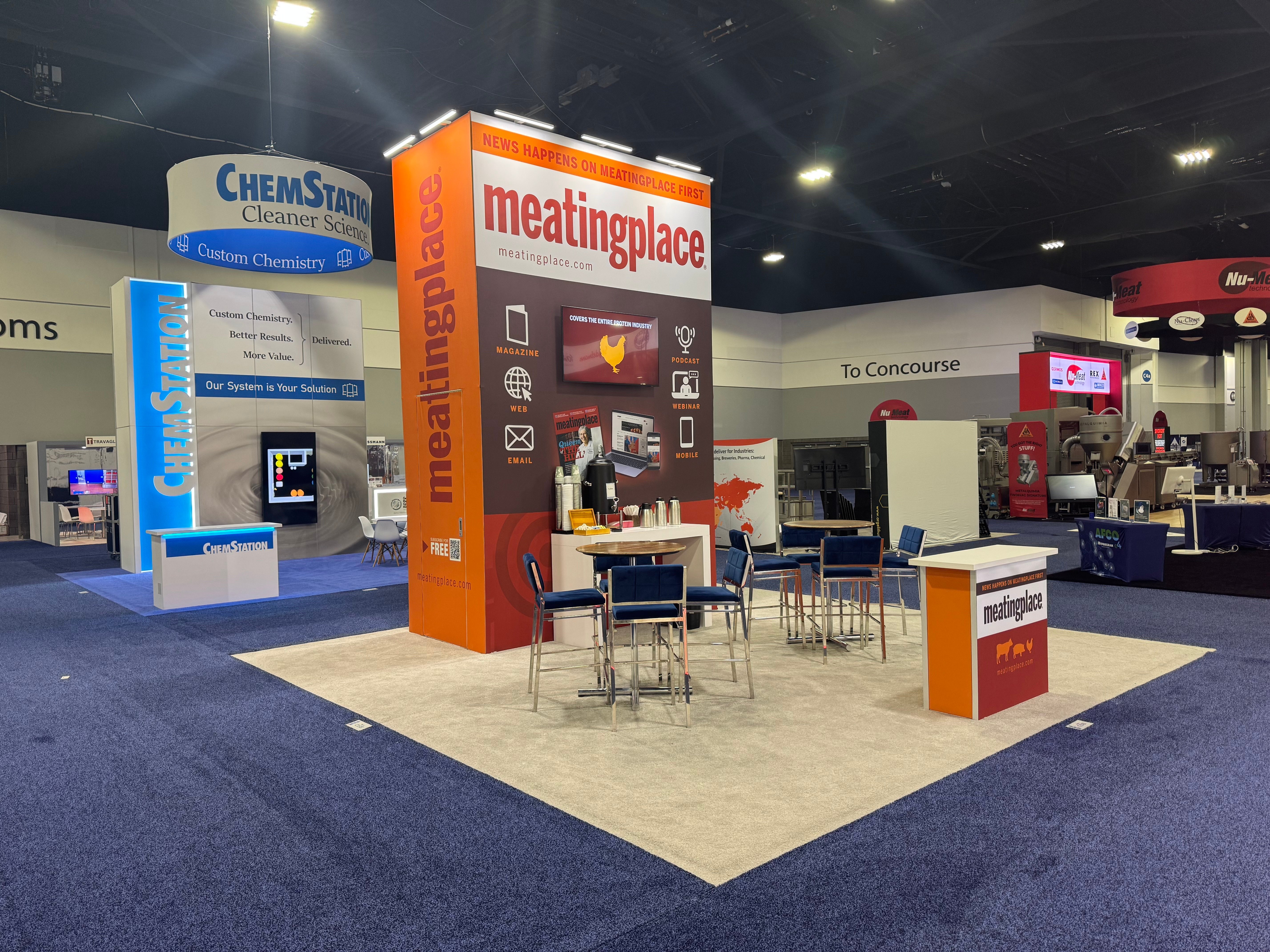
MTG IPPE 2026

Where Most OEMs Lose Control: Overlapping Shows

If you exhibit regularly, this scenario is familiar:

  • One show is in early planning
  • One is in final execution
  • One just ended and needs to be closed out

Each show has different deadlines, vendors, service orders, and budgets. When trade shows are managed part‑time, details get missed—often resulting in 20–30% higher costs, last‑minute issues, and unnecessary escalation to leadership.

A system designed specifically for multiple shows at different stages eliminates that chaos and keeps everything moving forward—on time and on budget.

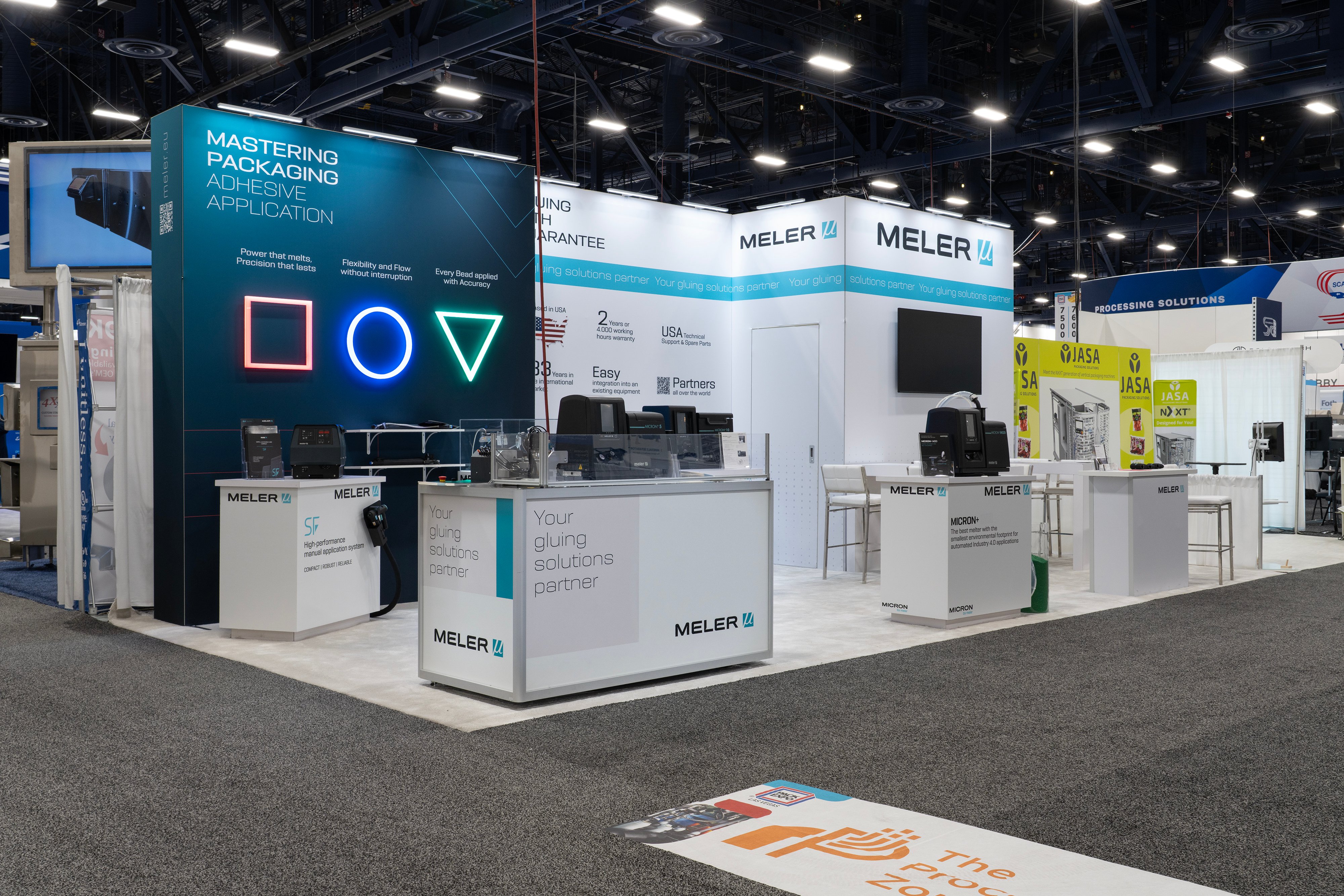
MELER_PELV_Booth_2025_1

What’s Handled for You

Nullam venenatis lorem interdum susci

Pre‑Show

  • Exhibit space and contracts
  • Deadline tracking and compliance
  • Service ordering with cost control
  • Shipping, travel, and logistics
  • Master schedules and coordination

On‑Site

  • Booth setup oversight
  • Utilities, flooring, and rigging coordination
  • Immediate issue resolution—without pulling your team off the floor

Post‑Show

  • Invoice review and reconciliation
  • Budget finalization
  • Show evaluation and improvements

Each show is completed cleanly before the next one ramps up.

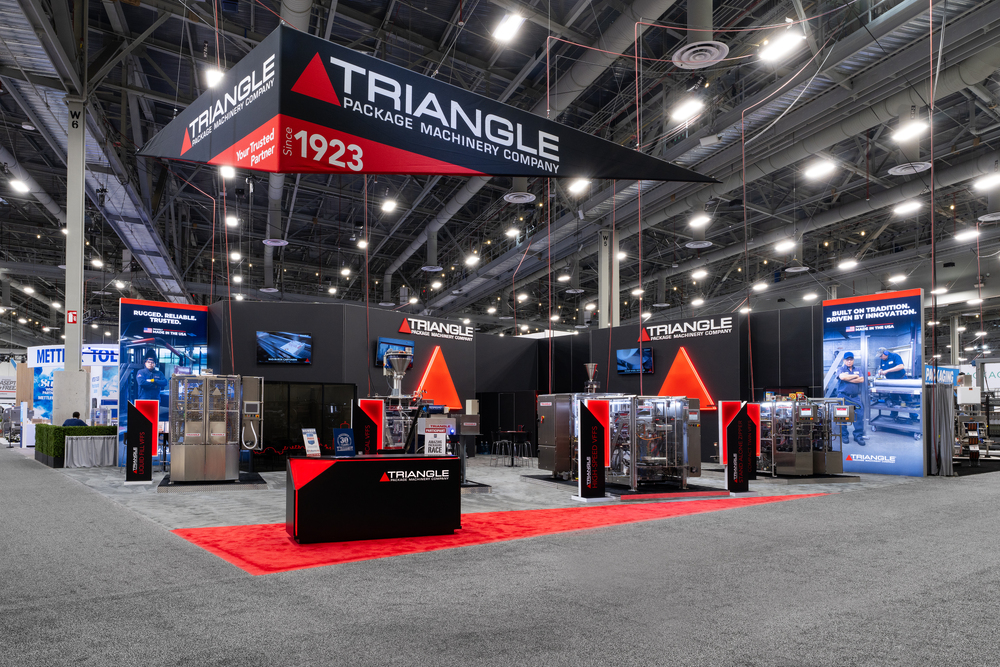
KG PELV 2025 Border

Why Experience Matters When Things Don’t Go Perfectly

Trade shows rarely go exactly as planned. What matters is how issues are handled.

Because trade shows are managed by people who have spent years on exhibit floors, very little is surprising. Equipment delays, service issues, or infrastructure problems are handled calmly and efficiently—without escalating unnecessary distractions to you or your team.

Problems are solved. The show stays on track.

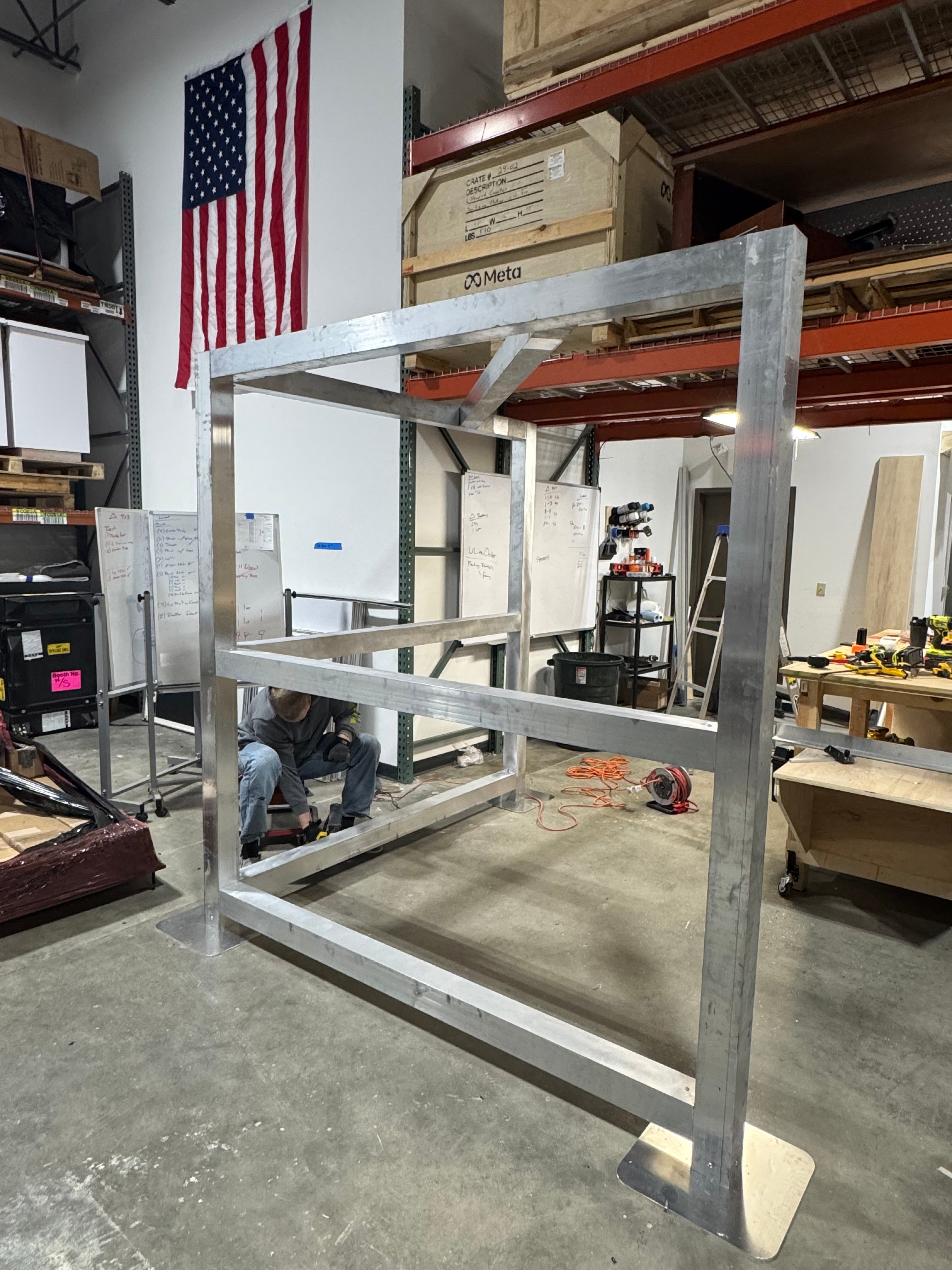
KG fabrication project1

The Outcome You Want

You want:

  • Deadlines met
  • Costs controlled
  • Problems handled
  • Your team focused on customers

You want to show up when the exhibit opens, have productive conversations, and leave knowing everything worked.

That’s exactly how trade shows should feel.

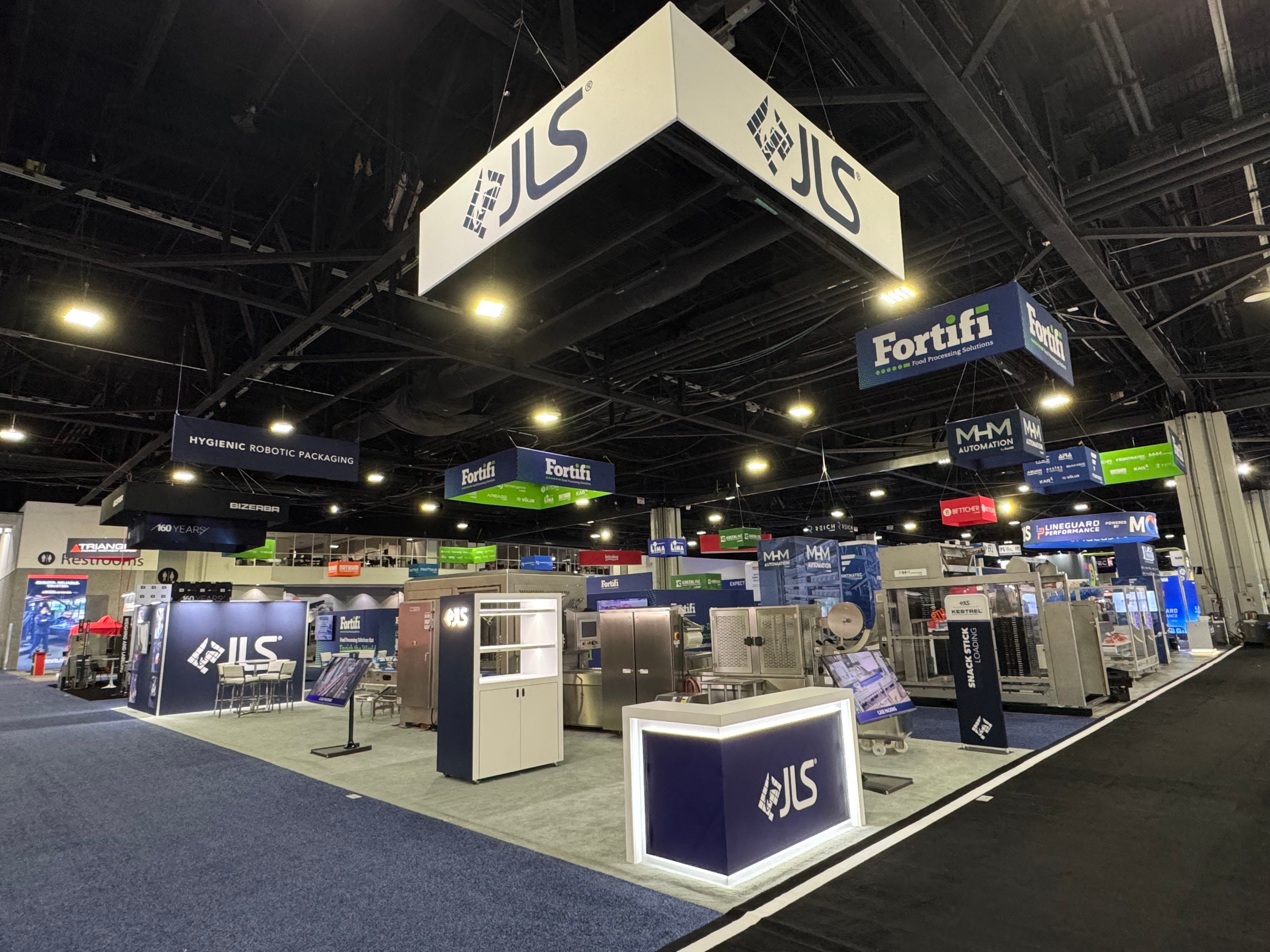
JLS IPPE 2026 Booth

Take Trade Shows Off Your Plate

If managing trade shows—especially multiple overlapping events—has become a distraction, this is the point where it comes off your internal workload entirely.

Let’s talk about your upcoming shows.

Ready to get your time back and eliminate trade show headaches?